FMP & DEVELOPMENT
AWARESPINN: Designing A Reflective Fidget Spinner for Supporting Conscious Fidgeting
As well as development in knowledge, skills, design attitude, expertise areas, and more.
DEVELOPMENT
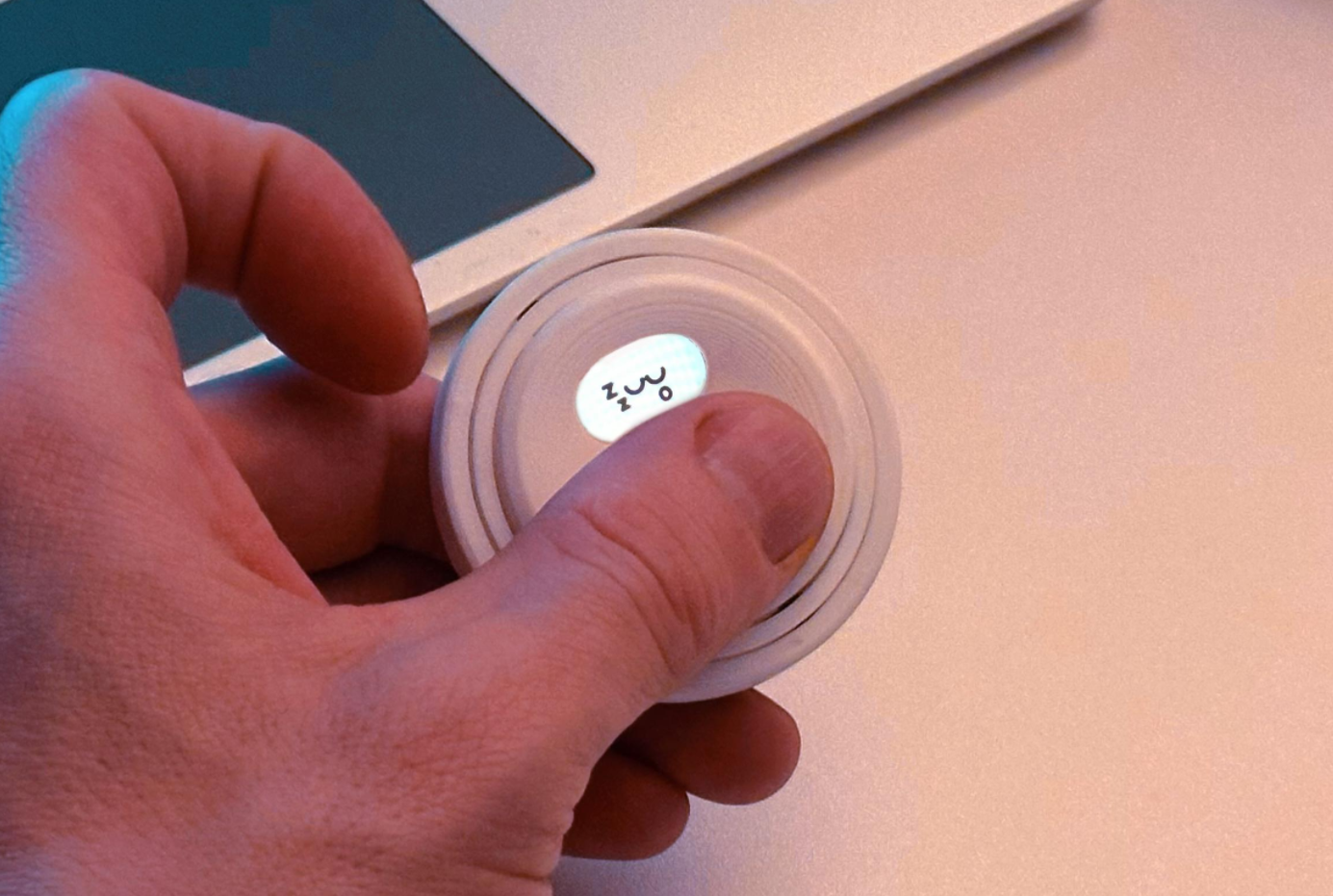
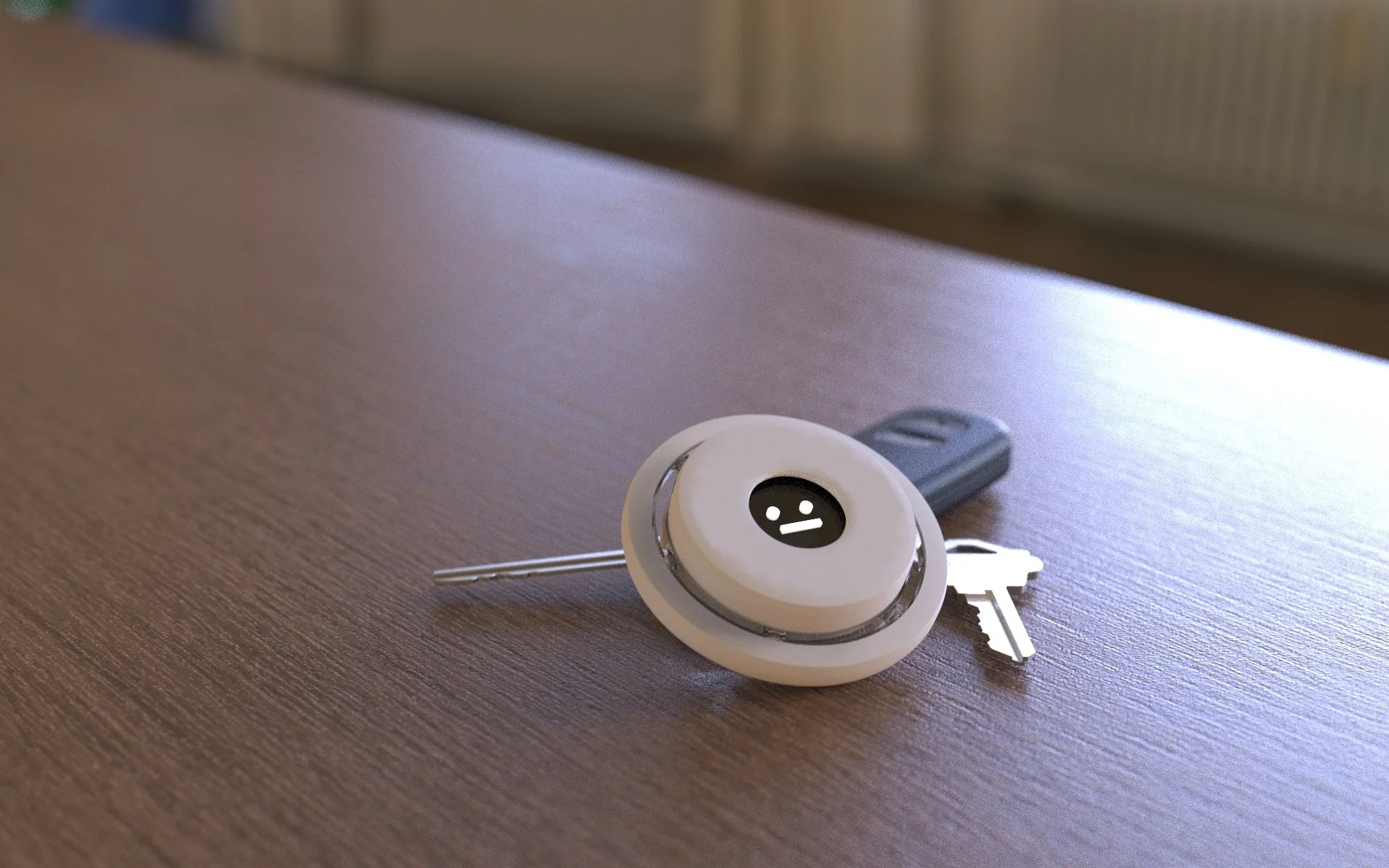
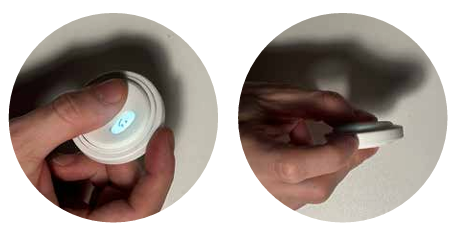
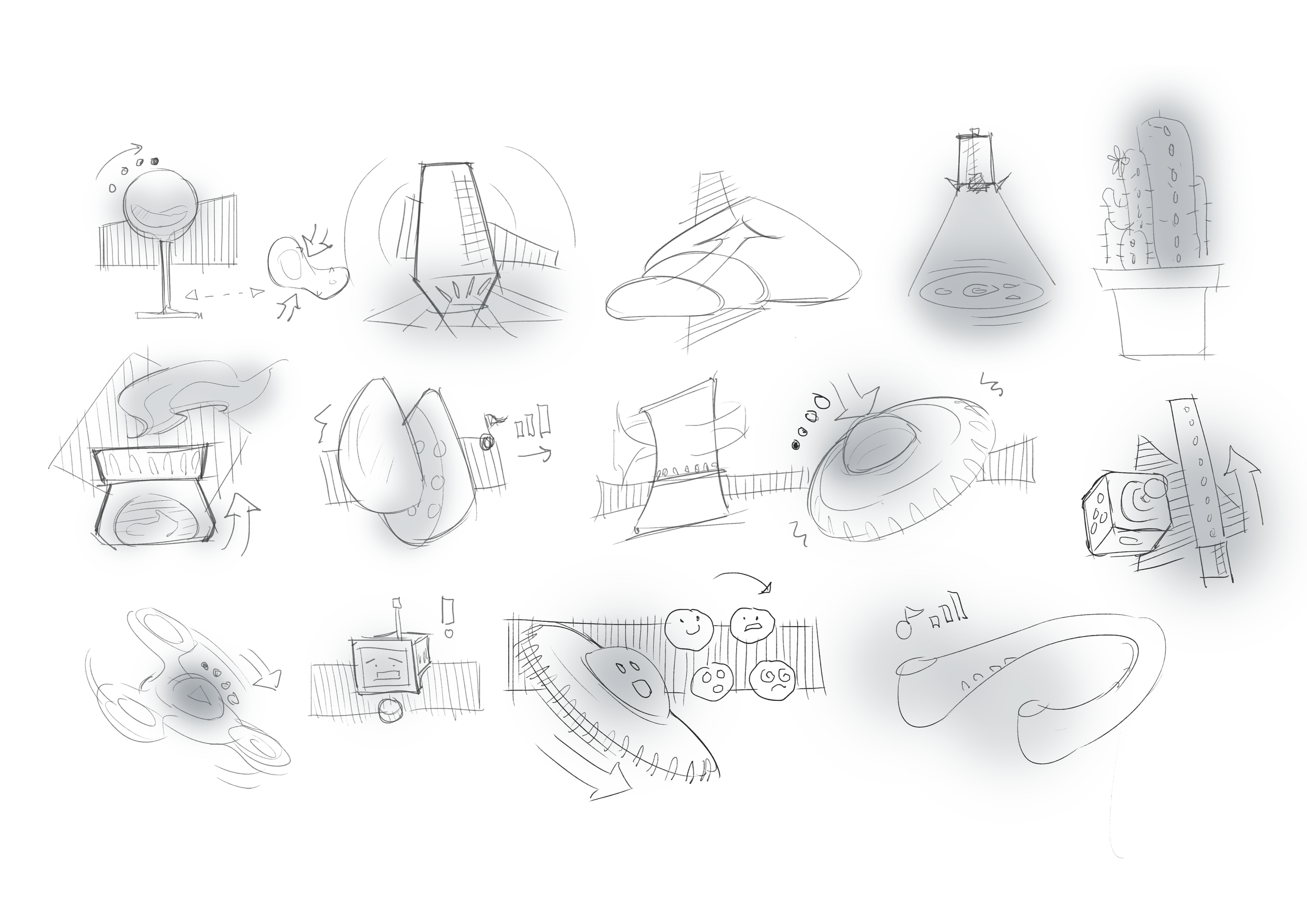
In my Final Master Project, I fully practiced a complete design loop, moving iteratively through goal setting, analysis, ideation, concept development, implementation, feedback, reflection, and back to goal and refinement. Starting from a clearly defined research gap, I turned reflections, experiences, and design attitudes developed across my previous projects into concrete design motivations. Within this phase, my goal was to support awareness and reflection on fidgeting intensity through design, guided by my Professional Identity and Vision.
User & Society
Projects such as Blue Zones, more-than-human explorations, Pebbles, and the AI drawing interpretation project encouraged me to reflect on design responsibility and on how design shapes bodies, behaviors, emotions, and awareness. They deepened my understanding of the value of emotion and awareness in interaction, as well as the relationship between technology and lived experience. These reflections formed the social and psychological foundation of my FMP design attitude, supporting a somaesthetic perspective in which fidgeting is treated as an unconscious bodily signal that should be respected rather than corrected.
Technology & Realization
Through projects involving IoT systems, Light Fidget, Pebbles, and AI-based prototypes, I gradually developed technical competencies, including sensor-based input detection, functional prototyping, hardware miniaturization to support aesthetics and interaction quality, and software programming. I also built a critical understanding of the full process from behavior to data to feedback, as well as an awareness of how technology shapes experience, preparing me to deliberately keep technological sensing and detection in the background in my FMP.
Math, Data & Computing
From working with BPM-based mappings and CNN interpretation to studying fidgeting parameters and modeling input actions as detectable states, I developed an understanding of data as a design reference rather than an objective indicator. These experiences directly supported the FMP’s approach to detecting fidgeting intensity and designing feedback around it, while maintaining a reflective stance toward the limits and interpretive nature of data.
Creativity & Aesthetics
Projects such as Matter of Transformation, Blue Zones, and more-than-human explorations reshaped my understanding of aesthetics in design, that not merely as visual appeal, but as experiential, cognitive, and attitudinal quality. These projects helped me develop a design language that prioritizes communication and influence through design itself, which directly led me to embrace somaesthetic design principles. In my FMP, this resulted in an interaction system that aligns with the nature of fidgeting: non-intrusive, non-intervening, and non-disruptive, while still offering opportunities for awareness-building and reflection.
Business & Entrepreneurship
The healthy nutrition education project introduced me to business-oriented design approaches, such as stakeholder mapping and value positioning. This helped me better imagine and evaluate my FMP’s potential future positioning, target groups, investors, and deeper user needs. While I recognize the need to further develop my ability to construct mature business plans, this expertise area has already supported my reflection on design feasibility and my longer-term career direction.
Development
Across my studies, my design process evolved from primarily exploratory experimentation toward clearly defined boundaries. Through continuous reflection on the Expertise Areas, Professional Identity, and Vision, I learned to make informed decisions about design form and process, using design itself as a method to further investigate complex questions and generate applicable design knowledge.
My Professional Identity and Vision evolved from problem-solving to question-posing, from intervention to awareness, and from control to understanding. Earlier projects helped me establish reflective design positions and explore tensions and limitations within my vision, while the FMP represents a deeper alignment of my identity and vision in practice.
Competence skills and knowledge, including tangible interaction prototyping, sensor-based behavior detection, awareness-oriented interaction judgment, and user research and reflection, all converged in the FMP as accumulated experience. This encourages me to continue exploring embodied interaction and awareness in more realistic and long-term contexts, to extend awareness-oriented design to systemic applications in wellbeing and education, and to further strengthen business and implementation skills to ensure the sustainability of my vision.