Designing with advanced artificial intelligence
AI DRAWING EXPLAINER
DEVELOPMENT
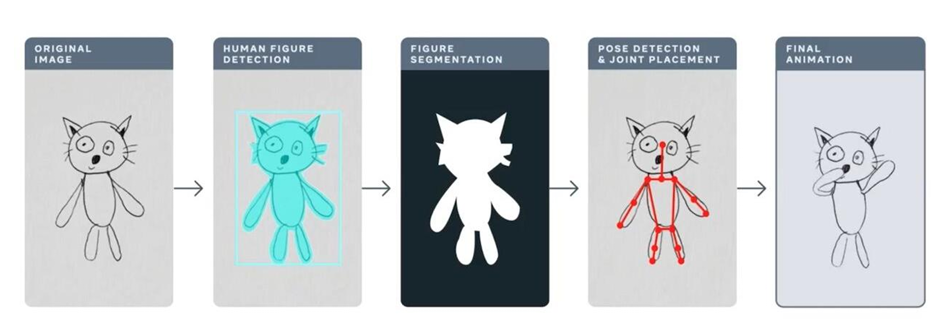
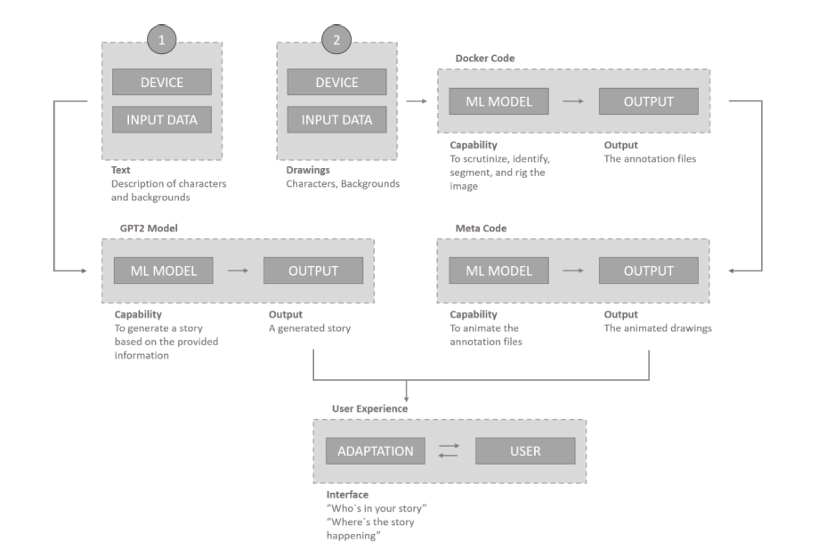
Technology is often used to solve problems and improve efficiency. This project led me to reflect on how technology can also be designed to support reflection, communication, and understanding. By designing a machine learning system that interprets children’s drawings using Convolutional Neural Networks, the project explored how visual elements such as color, style, and objects could be translated into references about emotional states, assisting caregivers in understanding and communicating with autistic children.
This project strengthened my professional identity as a designer who does not use technology to pursue intervention, control, or automated decision-making, but instead values the understanding, communication, and reflection that emerge through interaction.
EAs
Focusing on autistic children and their caregivers as a specific user group encouraged me to consider the social and psychological responsibilities of design. I became more aware that when technology engages with emotional domains, it should remain open-ended, non-intrusive, and non-diagnostic.
From a Math, Data & Computing perspective, the project helped me gain a foundational understanding of machine learning. At the same time, it prompted me to reflect on the gap between algorithmic interpretation and human understanding.
Technology can be designed to offer references that stimulate conversation and support shared understanding. This insight has had a lasting influence on my vision, professional identity, and design practice.