Unexpected material engagements
M12 project
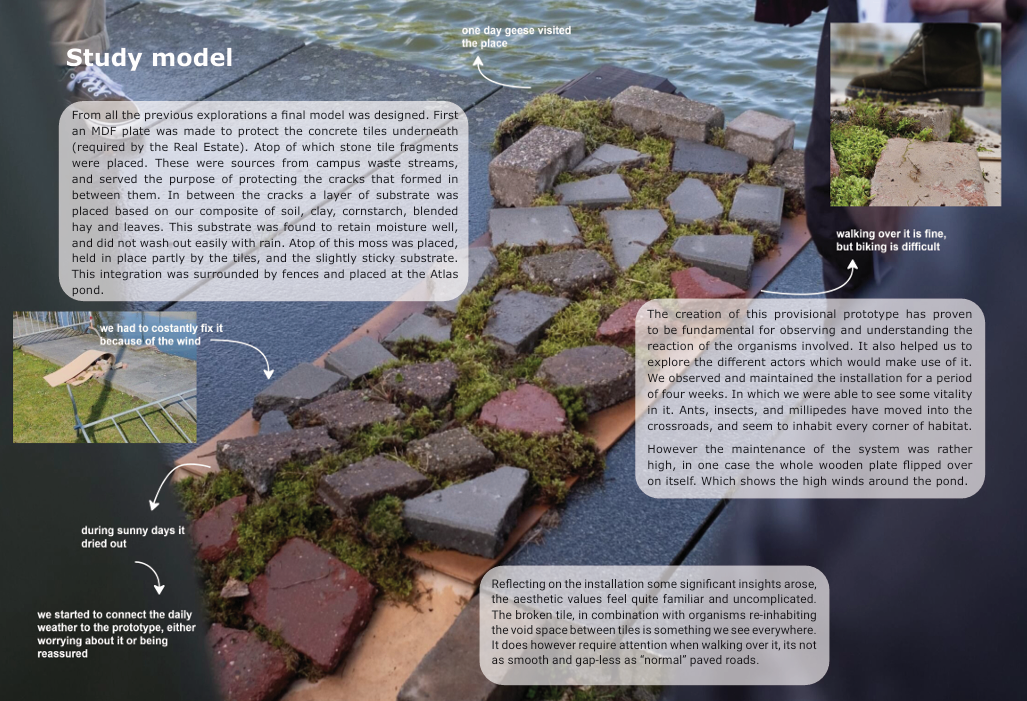
The Interspecies Crossroads: Exploring making human-centered design a bit more inclusive
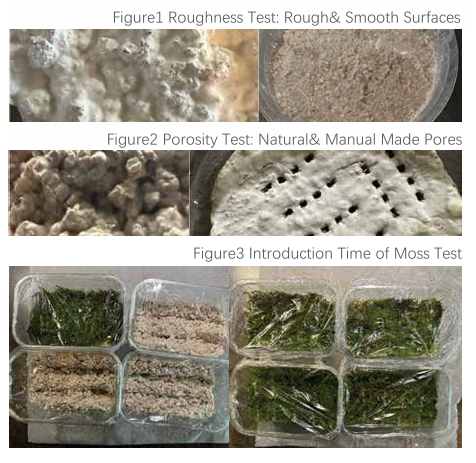
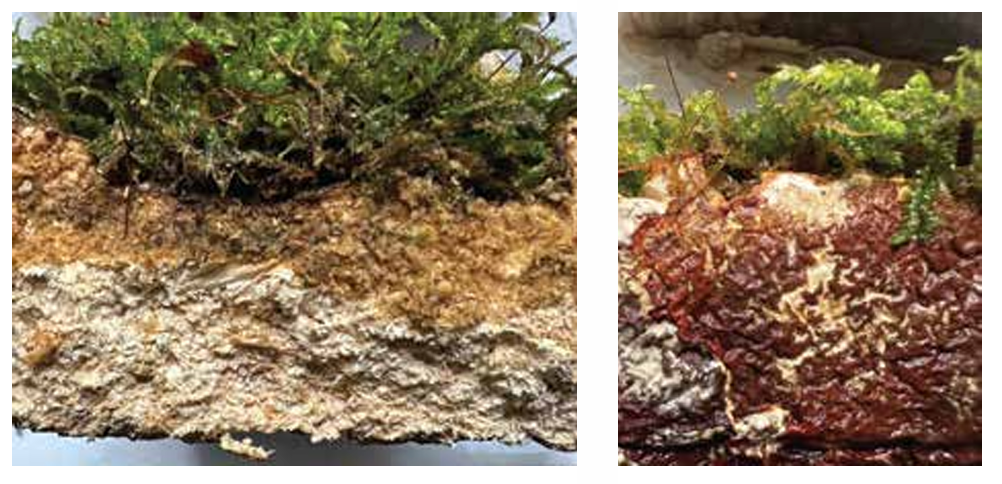
Multi-Species Design: How Can Designers Support Green Facades with Mycelium
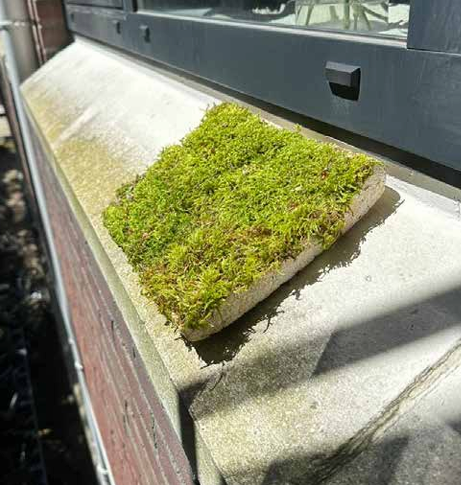
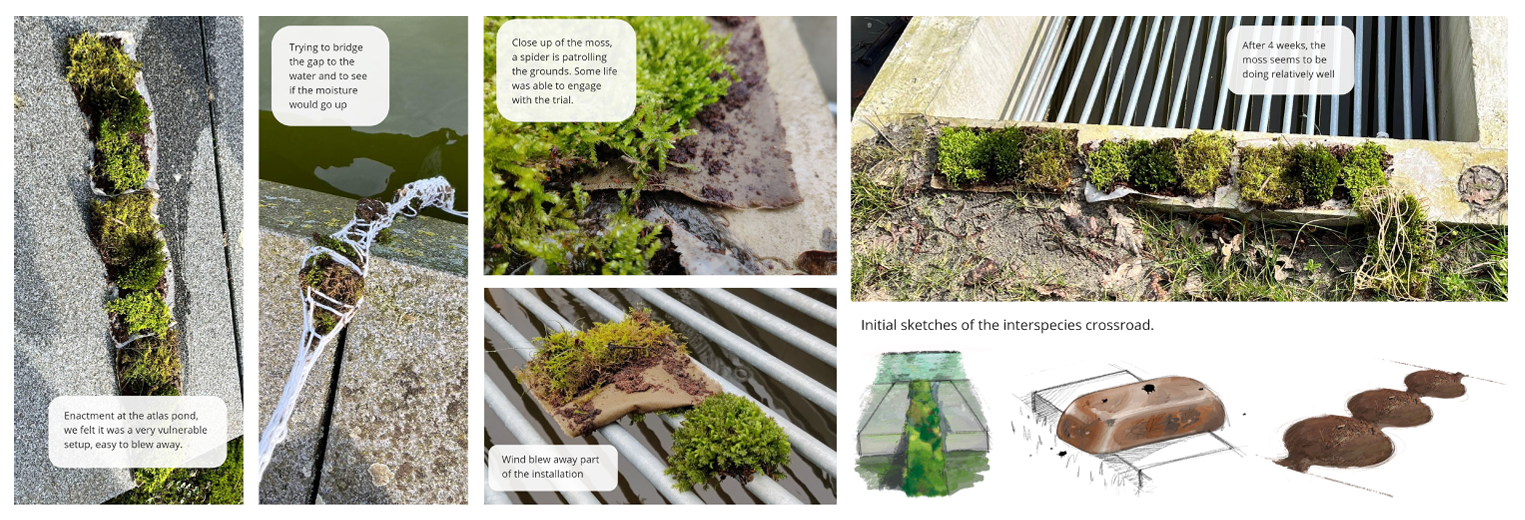
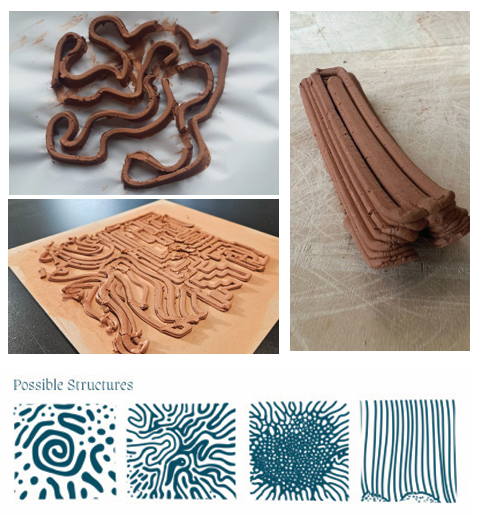
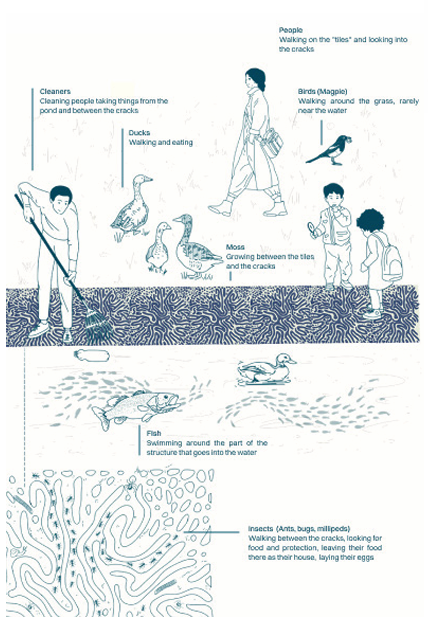
DEVELOPMENT
These two projects marked a shift from human-centered design toward a more-than-human perspective, encouraging me to examine human tolerance toward non-humans and to explore how multispecies relationships might become mutual. They encouraged me to think through materials, spaces, and relationships, moving my design approach from problem-solving toward entering complex systems and being shaped by them in return.
Through these projects, I developed the ability to work with uncertainty, reflecting on the value of design through material failure and death. Although these projects did not directly contribute to my vision, they expanded my understanding of design material, not only as physical matter, but as a medium through which designers think, construct, and shape experiences. This understanding later influenced my approach in treating awareness as an activatable resource to support reflection.
EAs
By reflecting on relationships and environments, I also began to approach design responsibility from a broader social and ecological perspective, expanding my understanding of more-than-human design and reconsidering the relationship between humans and non-humans.
creativity and aesthetics were used as tools for material reflection: aesthetics were not applied to optimize comfort or appeal, but to question whether life is allowed to grow, and whether discomfort and conflict are permitted within design. This attitude aligns closely with my earlier Blue Zones project.
REFLECTION
The project M12 marked an important learning moment in my design journey. Receiving a failing assessment forced me to critically reflect on how I conduct and communicate design research. I realized that my experimental process was not documented clearly enough. This experience encouraged me to adopt more deliberate documentation practices in later projects to justify my design decisions, where I began to break down interactions and behaviors into elements and to explore them through multiple rapid prototypes. The project also prompted a deeper reflection on what it means for design to contribute knowledge. I became more aware that, especially within design research projects, the outcome is not only the final artifact, but also the insights that can inform future design work. This shift in perspective led me to treat reflection and documentation as essential design activities, allowing my work to offer transferable knowledge rather than isolated results. Focusing on the symbiotic relationship between moss and mycelium, the project explored material-driven interactions beyond a human-centered scale. Feedback from the final assessment suggested that microscopic observation could have revealed biological interactions that were not visible at the human scale. This comment made me aware of my own biased perspective as a designer, shaped by human perception and experience. Carrying this insight forward, I became more attentive to questioning my assumptions and maintaining a reflective stance, both when working with non-human systems and when designing for people, by consciously considering how design decisions are perceived from perspectives beyond my own.